DIY Air Duct Maintenance Tips Every Highland Park Homeowner Should Know
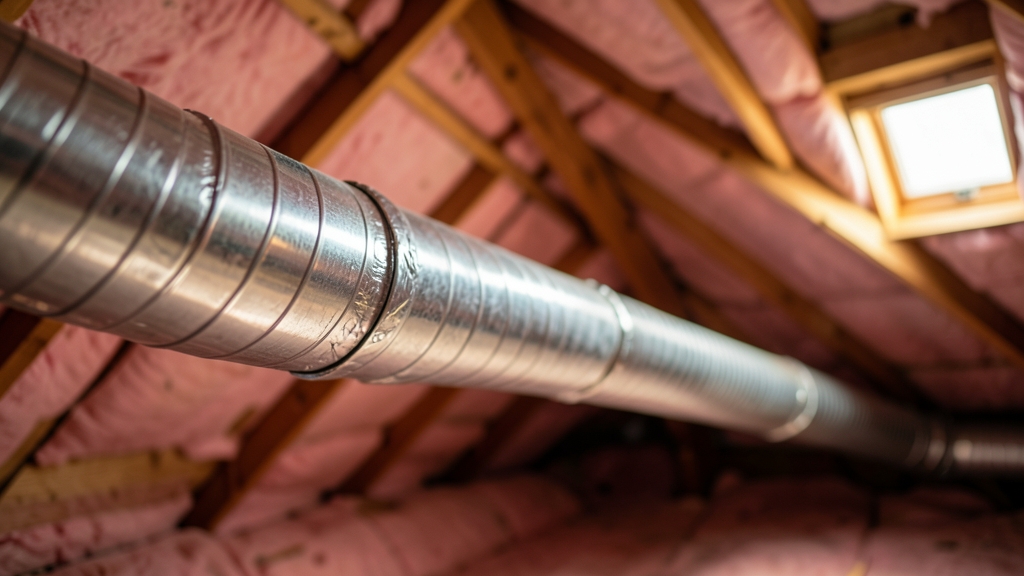
Your HVAC system works overtime in our four-season climate, and neglected air ducts can circulate dust, allergens, and even mold throughout your home. While professional cleaning is essential every few years, there’s plenty Highland Park homeowners can do to maintain cleaner, more efficient ductwork between service calls.
Why DIY Duct Maintenance Matters in Our Climate
The Lake Michigan effect brings high humidity in summer and dry, dusty winters—both of which strain your ductwork. Poorly maintained ducts can harbor moisture, leading to mold growth, or accumulate dust that clogs filters and reduces airflow.
Regular upkeep prevents these issues from spreading to your HVAC coils, dryer vents, or even into neighboring areas like Highwood or Lake Forest, where similar conditions exist.
Signs Your Ducts Need Attention
Visible dust or debris around vent covers is the most obvious red flag. If you notice musty odors when the system runs, that’s a sign of mold or mildew in the ductwork.
Uneven heating or cooling between rooms often points to blocked or leaky ducts. Increased allergy symptoms or excessive dust on furniture can also indicate poor indoor air quality.
Common Warning Signs
- Dust puffs from vents when HVAC starts
- Persistent musty or stale odors
- Hot or cold spots in different rooms
- Frequent filter clogging (every 1-2 months)
- Visible mold near vents or in ductwork
Tools and Supplies You’ll Need
A few basic tools make DIY duct maintenance manageable. Start with a high-quality vacuum with a long hose attachment, a screwdriver for vent covers, and a soft-bristle brush for dislodging dust.
For deeper cleaning, consider a microfiber cloth, a flashlight for inspection, and a MERV 8-13 air filter for replacement. Avoid harsh chemicals—mild detergent and water work for most surfaces.
| Tool | Purpose | Notes |
|---|---|---|
| Vacuum with hose attachment | Remove loose dust and debris | Use a HEPA filter to avoid recirculating particles |
| Soft-bristle brush | Disloose stubborn dust in ducts | Avoid metal brushes on flex duct |
| Screwdriver | Remove vent covers and grilles | Phillips or flathead, depending on your vents |
| Microfiber cloth | Wipe down vent covers and registers | Lint-free to prevent residue |
| Flashlight | Inspect duct interiors | LED for better visibility in dark ductwork |
| MERV 8-13 filter | Replace clogged air filters | Higher MERV for better allergen capture |
Step-by-Step: Cleaning Vent Covers and Registers
Start by turning off your HVAC system to prevent dust from circulating. Remove vent covers using a screwdriver, then soak them in warm, soapy water to loosen grime.
Use a soft brush to scrub away residue, rinse, and dry thoroughly before reattaching. This simple step can improve airflow by up to 15% in heavily clogged systems.
Label each vent cover with masking tape before removal to ensure they go back in the right place. Mixing them up can disrupt airflow balance.
How Far Can You Safely Clean Inside Ducts?
While you can vacuum the first few feet of ductwork from the vent opening, avoid pushing tools deep into the system. Flex duct is especially vulnerable to tears or disconnections if handled roughly.
For supply ducts, limit DIY cleaning to what you can reach with a vacuum hose or brush. Return ducts often require professional equipment to clean thoroughly without damaging the system.
Never attempt to clean ducts while the HVAC system is running. Loose debris can become airborne or damage the blower motor.
Preventing Mold and Mildew in Ductwork
Our humid summers create ideal conditions for mold growth in ducts, especially in basements or crawl spaces. Ensure your ductwork is properly insulated to prevent condensation buildup.
If you suspect mold, avoid DIY chemical treatments—these can release spores into your home. Instead, request a professional inspection and consider UV light sanitization for long-term prevention.
When to Call a Professional
DIY maintenance goes a long way, but some jobs require expert tools and training. If you notice extensive mold, pest infestations, or significant dust buildup deep in the system, it’s time for professional air duct cleaning.
We also recommend scheduling a professional HVAC coil cleaning and dryer vent cleaning annually. These services improve efficiency and reduce fire risks, especially in older homes common in Highland Park, Northbrook, or Glencoe.
Improving Indoor Air Quality Beyond the Ducts
Air duct maintenance is just one part of a comprehensive indoor air quality strategy. Regularly replace air filters—every 1-3 months, depending on household allergies and pets.
Consider adding an air purifier with a HEPA filter for high-traffic areas or bedrooms. For homes in Highland Park or nearby Bannockburn, indoor air quality testing can identify hidden pollutants like radon or VOCs.
How to Inspect Your Ductwork for Common Issues
A quick inspection can reveal problems before they escalate.
- 1Turn Off the HVAC System
Switch off the power at the thermostat and breaker to ensure safety during inspection.
- 2Remove Vent Covers
Use a screwdriver to take off vent covers and set them aside. Check for dust buildup or mold on the cover itself.
- 3Visually Inspect Duct Openings
Shine a flashlight into the duct. Look for visible dust, debris, or signs of mold. Note any damage to the duct material, such as tears in flex duct.
- 4Check for Airflow Obstructions
Hold a piece of tissue near the vent opening (with the system off). If it doesn’t move freely when the system is on, there may be a blockage.
- 5Reassemble and Test
Replace vent covers securely, turn the system back on, and monitor for improved airflow or reduced odors.
Frequently Asked Questions
How often should I clean my air ducts myself?
We recommend inspecting and cleaning vent covers and the first few feet of ductwork every 6-12 months. More frequent cleaning may be needed if you have pets, allergies, or live in a dusty area. For full duct cleaning, request a professional quote every 3-5 years.
Can I use a shop vac for duct cleaning?
A shop vac can work for surface-level dust in vent covers and shallow duct sections, but its suction power is often insufficient for deeper cleaning. Avoid using it on flex duct, as the hose can damage the material.
What’s the difference between air duct cleaning and HVAC coil cleaning?
Air duct cleaning focuses on removing dust and debris from the ductwork, while HVAC coil cleaning targets the evaporator and condenser coils in your system. Both are critical for efficiency and air quality, but coil cleaning requires specialized tools and should be done by professionals.
Are there specific air duct issues common in Highland Park homes?
Yes. Older homes in Highland Park, Highwood, or Lake Forest often have aging ductwork prone to leaks or poor insulation, leading to energy loss. Our humid climate also increases the risk of mold in ducts, especially in basements or poorly ventilated spaces.
Does DIY duct maintenance help with allergies?
Absolutely. Removing dust, pet dander, and pollen from vent covers and accessible duct sections can reduce allergens circulating in your home. For severe allergies, pair this with regular air filter replacement and consider professional duct cleaning or UV sanitization.
How do I know if my ducts are leaking?
Leaky ducts often cause uneven heating or cooling, higher energy bills, or whistling noises from the system. You may also notice dust accumulating in unusual places, as leaks can pull in unfiltered air. A professional can perform a duct pressure test for confirmation.