What’s That Smell? Identifying and Fixing Duct Odors in Highland Park Homes
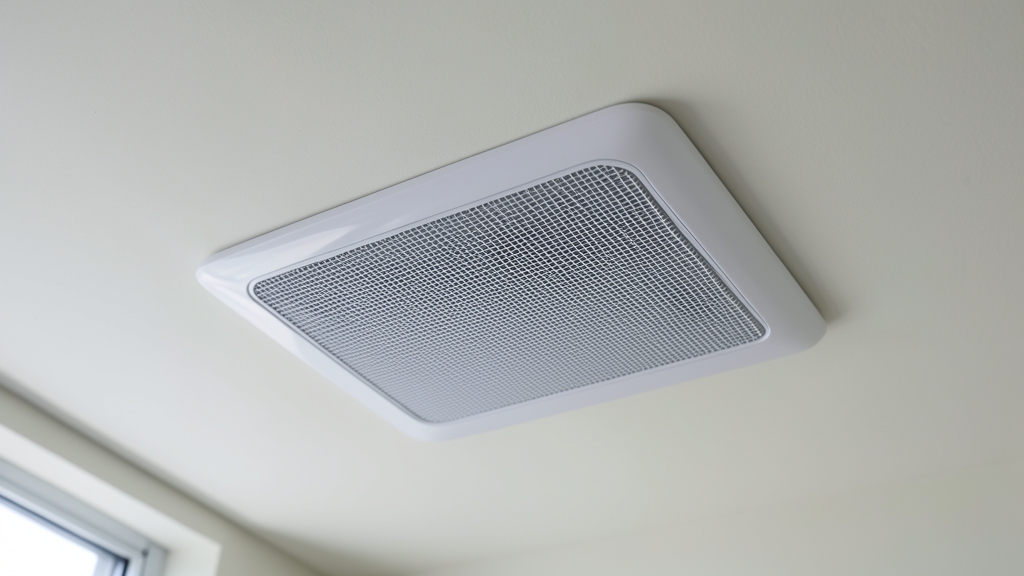
That musty or sour smell hitting you when the furnace kicks on isn’t just annoying—it’s a red flag from your ductwork. We’ve pulled years of dust, debris, and worse from Highland Park homes, and the odor always tells a story. The question is what it’s saying about your system.
Why Ducts Start Smelling in the First Place
Ductwork is a hidden highway for air, but also for whatever hitches a ride: dust, skin cells, pet hair, even cooking grease. Over time, this buildup traps moisture from our humid Midwest summers and condensation cycles, creating a petri dish for odors.
Poorly sealed joints or damaged flex duct can pull in attic or crawl space air laced with insulation fibers, rodent activity, or mold. In older Highland Park homes, decades of settled debris amplify the problem.
Common Duct Odors and What They Mean
A musty, earthy scent usually signals mold or mildew, especially after heavy rains or in basements. Our lake-adjacent climate in areas like Highwood or Lake Forest can feed this growth if humidity isn’t controlled.
Burning or metallic smells often point to overheating components—like a failing blower motor or clogged coil—pushing hot, acrid air through the vents. Shut the system down and call a pro immediately.
Rotten egg or sewage odors may indicate a cracked sewer line near ductwork, or a dead rodent in the system. We’ve seen this in Northbrook and Glencoe homes with older plumbing stacked above basements.
| Odor | Likely Cause | Urgency |
|---|---|---|
| Musty, damp | Mold/mildew in ducts or coil | High |
| Burning, metallic | Electrical or mechanical failure | Critical |
| Rotten egg, sewage | Sewer gas leak or dead animal | Critical |
| Stale, dusty | Accumulated debris in supply/return | Medium |
| Sweet, chemical | VOCs from new materials or cleaning agents | Low |
| Ammonia-like | Rodent urine or droppings | High |
When DIY Fixes Fall Short
Swapping the air filter or running an air purifier might mask odors temporarily, but they won’t remove the source. If the smell returns within days, the contamination is likely deep in the ductwork or coil.
Store-bought sprays or fragrances can react with existing mold or dust, making the problem worse. We’ve cleaned systems in Bannockburn where homeowners tried this—only to need a full sanitization treatment afterward.
Covering odors with sprays or candles can hide serious issues like mold or electrical faults. Always investigate the root cause first.
How We Diagnose the Problem
Our team starts with a visual inspection of vents, returns, and accessible duct runs. We look for discoloration, moisture, or pest evidence—common in Highland Park’s older, tree-lined neighborhoods.
Indoor air quality testing can confirm mold spores or VOCs, while a borescope camera lets us see inside ducts without invasive demolition. For commercial spaces, we often add particle counters to assess contamination levels.
The Cleaning Process: What Actually Works
Cleaning uses high-powered vacuums and agitation tools to dislodge debris from every inch of ductwork, including trunk lines and branch ducts. Negative air pressure ensures contaminants don’t escape into your home.
For mold or bacterial growth, we apply EPA-approved sanitizers or UV light treatments to neutralize spores at the source. In humid areas like Glencoe, we often pair this with coil cleaning to prevent recurrence.
Dryer vent cleaning is another must—lint buildup doesn’t just cause odors; it’s a fire hazard. We service these separately but always check them during duct inspections.
Signs You Need Professional Duct Cleaning
- Visible mold growth inside hard surface ducts or on other HVAC components
- Vents blowing out dust or debris when the system starts
- Unexplained allergies or respiratory issues that improve when away from home
- Rodent or insect infestations in the ductwork
- Recent home renovations or water damage
Preventing Odors Before They Start
Regular air filter replacement—every 1-3 months, depending on pets and allergies—is your first line of defense. HEPA filters capture finer particles but need more frequent changes.
Control humidity with a whole-home dehumidifier or smart thermostat. Aim for 30-50% relative humidity to starve mold and dust mites. This is critical in Lake Forest and Highland Park’s older, less ventilated homes.
Seal duct joints with mastic or metal tape (not duct tape) to prevent unconditioned air and contaminants from entering the system. Annual HVAC maintenance should include a duct inspection.
If you upgrade to a high-MERV filter, ensure your HVAC system can handle the restricted airflow. A pro can test static pressure to avoid damaging the blower.
Local Factors That Worsen Duct Odors
Highland Park’s mature trees mean more pollen, leaves, and even small animal nests finding their way into outdoor intake vents. Regularly check and clean these entry points, especially in fall.
The freeze-thaw cycle can crack duct seals or loosen connections over time. After harsh winters, it’s worth a professional inspection to catch these before they pull in attic dust or insulation.
Nearby construction in areas like downtown Highwood or Northbrook can kick up extra dust. If you notice a sudden uptick in odors, it might be tied to local activity.
How to Inspect Your Ducts for Odor Sources
Before calling a pro, you can perform a basic check to help identify the issue.
- 1Turn Off the HVAC System
Safety first. Switch off the power at the breaker to prevent the blower from starting while you work.
- 2Remove and Inspect Vent Covers
Use a screwdriver to take off a few supply and return vent grilles. Shine a flashlight inside and look for dust buildup, mold, or debris.
- 3Check for Moisture or Stains
Feel inside the duct with a gloved hand (only as far as you can reach). Dampness or black stains indicate mold or mildew.
- 4Sniff Test at the Registers
Turn the system back on and hold a tissue near the vents. If the odor is strongest at certain registers, the issue may be localized to those duct runs.
- 5Inspect the Air Handler and Coil
If comfortable, open the access panel to the blower and coil. Look for standing water, mold, or a musty smell—common in systems without proper condensate drainage.
- 6Note Any Recent Changes
Jot down when the odor started and any recent events (e.g., water damage, new pets, renovations). This helps pros pinpoint the cause faster.
Frequently Asked Questions
Can duct odors make my family sick?
Yes. Mold spores, bacteria, and rodent droppings in ducts can trigger allergies, asthma, or respiratory infections. If anyone in your Highland Park home experiences unexplained symptoms, have the system inspected and consider indoor air quality testing.
How long does professional duct cleaning take?
For an average Highland Park home, a thorough cleaning takes 3-5 hours. Larger homes or those with extensive contamination (like post-renovation dust) may require a full day. Commercial spaces or homes with complex ductwork can take longer.
Will cleaning my ducts reduce energy bills?
Indirectly, yes. Clogged ducts force your HVAC system to work harder, increasing wear and energy use. While the primary goal of cleaning is indoor air quality, many homeowners in Highwood and Lake Forest see improved efficiency afterward.
How often should I have my ducts cleaned?
NADCA recommends every 3-5 years for most homes, but factors like pets, allergies, or recent renovations may require more frequent cleaning. If you notice odors, visible dust, or health issues, don’t wait—schedule an inspection.
Do I need to leave my home during duct cleaning?
It’s not required, but we recommend staying out of the work area. The process can be noisy, and our equipment (like negative air machines) may limit access to certain rooms. For homes with pets or young children, a temporary outing can make the process smoother.
Can you clean ducts in older Highland Park homes with asbestos?
Asbestos in ductwork is rare, but if your home was built before the 1980s, we’ll test for it first. If asbestos is present, we follow strict abatement protocols or recommend encapsulation. Never attempt to clean or disturb asbestos-containing materials yourself.