How Preventative Duct Maintenance Delivers Long-Term Savings in Highland Park
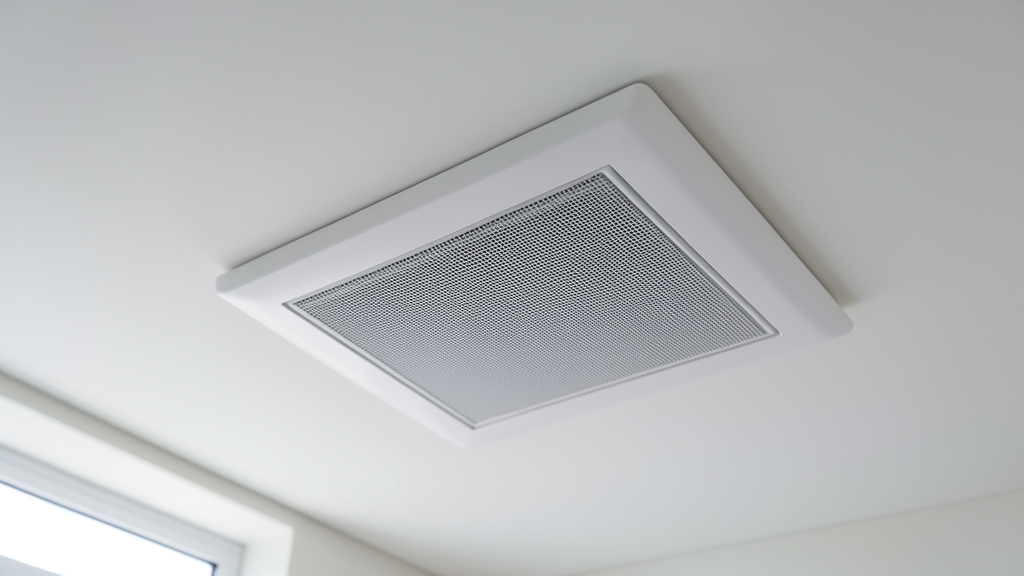
Most Highland Park homeowners don’t think about their ductwork until airflow slows or allergies flare. Yet, the hidden buildup of dust, pollen, and even mold in your system quietly inflates energy bills and shortens HVAC lifespan. Preventative maintenance stops these costs before they start.
Why Highland Park Homes Need Duct Attention Year-Round
Our lake-adjacent climate means high humidity in summer and dry, dusty winters. Both conditions accelerate debris accumulation in ducts, forcing your system to work harder to maintain comfort.
Older homes in neighborhoods like Ravinia or downtown Highland Park often have aging ductwork with gaps or poor seals, worsening inefficiency. Even newer builds in Northbrook or Glencoe aren’t immune to dust and allergen buildup.
The Hidden Costs of Ignoring Your Ducts
Clogged ducts restrict airflow, making your HVAC run longer cycles to heat or cool your home. This spikes energy use—often by 20-30%—and adds unnecessary wear to components like the blower motor and coils.
Worse, contaminated ducts circulate allergens, pet dander, and mold spores. For families with asthma or allergies, this can mean higher medical bills and reduced quality of life.
Highland Park’s humid summers create ideal conditions for mold growth in ducts. Once present, spores spread quickly through your home. Professional inspection and UV sanitization can prevent this.
How Preventative Maintenance Saves You Money
Regular duct cleaning removes debris that insulates duct walls, improving airflow and reducing runtime. This alone can cut energy costs by 10-25%, depending on system age and usage.
Clean coils and vents also prevent costly breakdowns. Replacing a failed blower motor or evaporator coil dwarfs the expense of routine maintenance. Think of it as an insurance policy for your HVAC investment.
In commercial spaces, like those in Highwood or Lake Forest, dirty ducts can violate health codes or trigger tenant complaints. Proactive cleaning avoids fines and turnover.
Duct Cleaning vs. DIY: What You’re Really Getting
Consumer-grade vacuums and brushes can’t reach deep into ductwork. Professionals use high-powered equipment, like rotating brushes and HEPA vacuums, to dislodge and remove years of buildup.
We also inspect for leaks, poor connections, or damaged sections—issues DIY methods miss. Sealing these gaps can improve efficiency by up to 20%.
| Factor | Professional Service | DIY Approach |
|---|---|---|
| Equipment | HEPA vacuums, rotating brushes, inspection cameras | Household vacuum, basic brushes |
| Reach | Entire system, including trunk lines and vents | Surface-level only |
| Leak Detection | Included with full inspection | Not possible |
| Mold Treatment | UV sanitization, antimicrobial sprays available | None |
| Time Investment | 2-4 hours for average home | Full day or longer, with limited results |
Signs Your Ducts Need Attention Now
Uneven heating or cooling between rooms often signals blocked or leaky ducts. If some areas feel stuffy while others are drafty, it’s time for an inspection.
Visible dust puffing from vents when the system starts is a red flag. So are musty odors, which may indicate mold or mildew. Don’t wait for allergies to confirm the problem.
When to Call a Pro
- Dust builds up on furniture within hours of cleaning
- Energy bills rise without increased usage
- Family members experience unexplained allergies or respiratory issues
- Vents show visible mold or excessive debris
- HVAC system struggles to maintain set temperatures
What a Thorough Duct Cleaning Includes
We start with a visual inspection using cameras to assess contamination levels. Then, we use powerful vacuums to create negative pressure, ensuring debris is pulled out—not pushed further into the system.
Next, we clean each component: supply and return ducts, registers, grilles, and the blower motor. For homes with high humidity, we may recommend UV light treatment to inhibit mold growth.
Finally, we inspect and seal any leaks or gaps. In older homes, this step alone can dramatically improve efficiency and comfort.
Related Services That Boost Savings and Air Quality
Dryer vent cleaning prevents lint buildup, a leading cause of house fires. In Highland Park, where many homes have long vent runs, this is especially critical.
HVAC coil cleaning restores efficiency lost to dirt and grime. Clean coils transfer heat better, reducing runtime and wear. For commercial systems in Bannockburn or Glencoe, this can mean significant energy savings.
Indoor air quality testing identifies pollutants like VOCs, radon, or excessive humidity. Based on results, we may recommend air filter upgrades or UV sanitization.
Replacing your air filter every 1-3 months is the simplest way to protect your ducts and HVAC. Use a MERV 8-13 filter for most homes—higher ratings can restrict airflow in older systems.
How Often Should You Schedule Duct Cleaning?
For most Highland Park homes, we recommend professional duct cleaning every 3-5 years. However, households with pets, smokers, or allergy sufferers may need it every 2-3 years.
After major renovations, especially those involving drywall or flooring, schedule a cleaning to remove construction dust. The same goes for moving into a new home—you never know what the previous owners left behind.
How to Maintain Your Ducts Between Professional Cleanings
A few simple habits can extend the life of your ductwork and improve air quality between professional services.
- 1Replace Air Filters Regularly
Check your filter monthly and replace it every 1-3 months. Write the installation date on the filter to track usage.
- 2Keep Vents Open and Unobstructed
Avoid closing vents to “save energy.” This increases pressure in the system and can lead to leaks or damage.
- 3Vacuum and Dust Frequently
Use a vacuum with a HEPA filter to reduce dust in your home. Pay special attention to areas near vents and returns.
- 4Control Humidity Levels
Use a dehumidifier in summer and a humidifier in winter to maintain 30-50% humidity. This discourages mold and dust mites.
- 5Inspect Visible Ductwork
Check exposed ducts in basements or attics for signs of damage, leaks, or excessive dust. Report issues to a professional.
- 6Schedule Annual HVAC Maintenance
A yearly tune-up ensures your system runs efficiently and catches duct-related issues early.
Frequently Asked Questions
Does duct cleaning really lower energy bills?
Yes. The U.S. Department of Energy estimates that 25-40% of energy used for heating or cooling is wasted due to contaminated or leaky ducts. Cleaning and sealing ducts can recapture much of that loss.
Can dirty ducts make my family sick?
Dirty ducts don’t directly cause illness, but they can circulate allergens, dust mites, mold spores, and other pollutants that trigger allergies, asthma, or respiratory issues. Improved air quality often leads to fewer symptoms.
How do I know if my ducts have mold?
Musty odors from vents, visible mold near registers, or unexplained health issues may indicate mold. Highland Park’s humidity makes this a common issue. A professional inspection with a camera can confirm its presence.
Is duct cleaning messy?
Not with professionals. We use contained systems and drop cloths to protect your home. The process may stir up some dust initially, but we ensure it’s captured and removed—leaving your home cleaner than we found it.
Do newer homes in Highland Park need duct cleaning?
Absolutely. Even new construction can have dust, debris, or installation issues in the ductwork. A cleaning after move-in ensures your system starts with a clean slate.
What’s the difference between duct cleaning and HVAC maintenance?
Duct cleaning focuses on removing contaminants from the ductwork itself. HVAC maintenance includes cleaning coils, checking refrigerant levels, and inspecting mechanical components. Both are essential for efficiency and longevity.